OBESITY -ADULT AND CHILD
Overweight and obesity are defined as abnormal or excessive fat accumulation that presents a risk to health. A crude population measure of obesity is the body mass index (BMI), a…





Every society would like to give best of care to children, as they are invaluable assets we have. It is our duty that we nurture, polish, and prepare them suitable for this fascinating world. In wellness, like good parenting and in illness best available care, will be any kid’s first wish. It is up-to us to support, help our children thrive well in this society.
The website offers useful clinical materials in paediatrics for paediatricians, under graduate, post graduate and parents. It will be a useful site for undergraduate and post graduates who are negotiating the learning curve of paediatrics. This site offer patient education material in vernacular.
For the paediatricians analysis of common symptoms, approach to common problems, case scenarios and common disease conditions will be discussed here.
As a paediatrician I feel it is of paramount importance to discuss problems of children with parents. As professionals we should able to share with empathy relevant clinical details to parents. How to deal with emergencies at home, how to prevent accidents, how to do parenting and on. So the parents can make a difference in approach to children in illness and good health.
As undergraduate students get exposed to normal children, they get to know what is normal. Students will acquire basic information about common illness and acquire clinical examination skills. Osce, mini cex, osce, short discussion form most of the methods for basic training.
Medical graduates who pursue further studies in paediatrics undergo intensive training in outpatient, intensive and inpatient care. Medical care of children has evolved to newer dimensions in this century. Medical education revolves on the basic pillars of cognition, psychometric skills and affective skills. Medical graduates should be updated about current protocols and recent advances, in addition to fundamental principles of paediatrics. Minicex, dops, osce and clinical discussions form the core exercise during training.
Overweight and obesity are defined as abnormal or excessive fat accumulation that presents a risk to health. A crude population measure of obesity is the body mass index (BMI), a…
What is hepatitis? “Hepatitis” means inflammation of the liver. Toxins, certain drugs, some diseases, heavy alcohol use, and bacterial and viral infections can all cause hepatitis. Hepatitis is also the…
ADHD is one of the most common neurodevelopmental disorders of childhood. It is usually first diagnosed in childhood and often lasts into adulthood. Children with ADHD may have trouble paying attention, controlling…
Key facts Noncommunicable diseases (NCDs) kill 38 million people each year. Almost three quarters of NCD deaths – 28 million – occur in low- and middle-income countries.Sixteen million NCD deaths…
Key facts Cancers figure among the leading causes of morbidity and mortality worldwide, with approximately 14 million new cases and 8.2 million cancer related deaths in 2012 (1). The number…
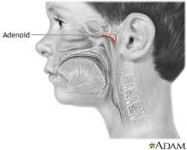
Enlarged Adenoids Your adenoids are in the back of your nose. They are made up of lymphoid tissue and are part of your immune system. Your immune system helps to…
Key facts Dengue is a mosquito-borne viral infection. The infection causes flu-like illness, and occasionally develops into a potentially lethal complication called severe dengue. The global incidence of dengue has…
Key facts Avian influenza (AI), commonly called bird flu, is an infectious viral disease of birds. Most avian influenza viruses do not infect humans; however some, such as A(H5N1) and…
An umbilical hernia is due to imperfect closure or weakness of the umbilical ring. Predisposing factors include black race and low birthweight. The hernia appears as a soft swelling covered…
Key facts A healthy diet helps protect against malnutrition in all its forms, as well as noncommunicable diseases (NCDs), including diabetes, heart disease, stroke and cancer. Unhealthy diet and lack…